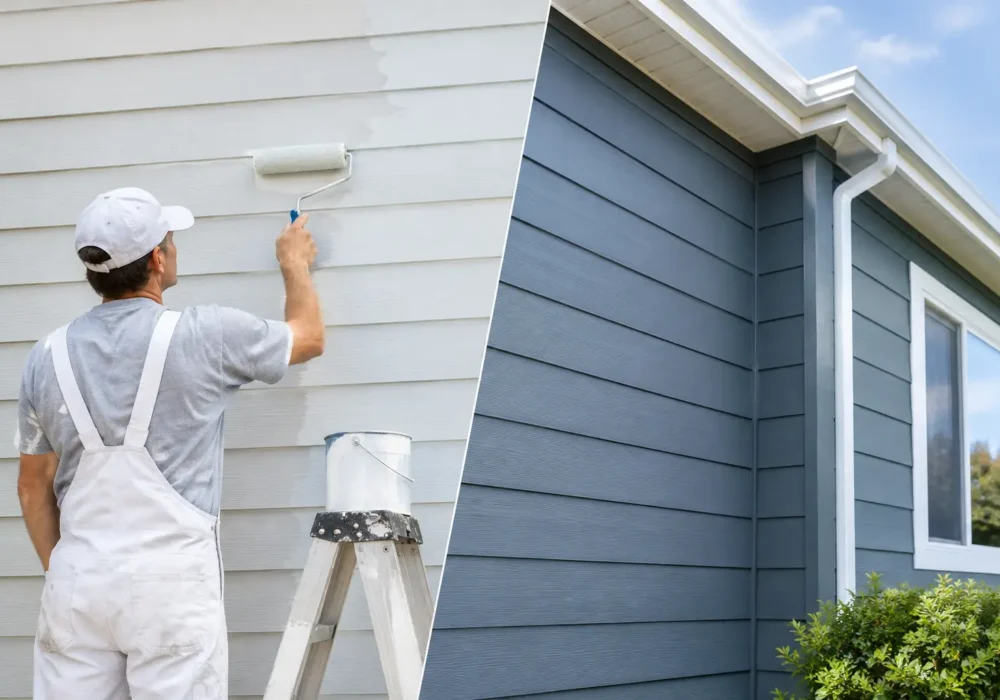
A tired exterior can make a well-kept home look older than it is. When boards are peeling, paint is chalking, or cracks keep returning, the question often becomes painting versus cladding replacement. The right answer is not always the more expensive one. It depends on whether the existing cladding is still sound enough to protect the home and hold a quality paint system.
For homeowners and property managers across Wyndham, Hobsons Bay, Geelong, the Bellarine and the Surf Coast, exterior surfaces work hard. They face hot summer sun, wet winters, wind-driven rain and, in coastal areas, salty air. A proper inspection before painting helps separate cosmetic wear from damage that needs repair or replacement.
Painting versus cladding replacement: start with condition
Paint is a protective coating, not a structural repair. It can refresh faded weatherboards, improve kerb appeal and extend the life of sound cladding, but it cannot stabilise timber that has rotted, repair warped sheets or stop water entering through failed flashings.
The most useful first step is to look beyond the colour. A painter should check the cladding itself, the joints between boards or sheets, window trims, corners, eaves and areas close to gutters and downpipes. These are the places where moisture problems often begin.
Minor surface issues are usually good candidates for preparation and repainting. This may include peeling paint, hairline cracks, small gaps, weathered timber, nail holes and isolated dents. Thorough washing, sanding, filling, gap sealing, spot priming and repainting can give the exterior a clean finish and renewed protection.
Replacement becomes more likely where there is widespread decay, soft timber, crumbling fibre cement, loose boards, repeated movement, deep splitting or water damage behind the visible surface. If a board has lost its strength, coating it may make it look better briefly, but it will not solve the underlying issue.
When repainting is the sensible option
Repainting is often the most practical choice when the cladding is fundamentally sound. A quality exterior paint system protects the surface from moisture and ultraviolet exposure while giving the property a fresh, cared-for appearance.
This option suits weatherboards that are dry, secure and free from significant rot, as well as fibre cement cladding with only minor cosmetic deterioration. It can also be a good solution for rental properties, commercial buildings and homes being prepared for sale where the exterior needs a professional lift without unnecessary building work.
The value of repainting depends heavily on preparation. Painting over loose coatings or open gaps may look acceptable at first, then fail early as moisture gets underneath. Proper preparation takes time, but it is where a lasting result begins. Surfaces need to be cleaned, unstable paint removed, bare areas primed and repairs completed before the finish coats are applied.
A repaint is also a good opportunity to deal with small timber and trim repairs. Replacing a few damaged sections, securing loose boards and resealing vulnerable joins can preserve more of the existing façade while addressing issues before they spread.
Signs cladding replacement should be considered
Replacement is not automatically required because paint has failed. However, there are several signs that should prompt a closer assessment rather than another coat of paint.
If timber feels soft when gently tested, has deep decay around nail holes or is breaking down along its lower edges, replacement may be needed. The same applies where boards are badly cupped, split through, distorted or pulling away from the wall. On sheet cladding, cracking around fixings, damaged edges and persistent movement can point to a material problem rather than a painting problem.
Water staining inside the home, mould around external joins, overflowing gutters or failed flashing also deserve attention. Replacing cladding without fixing the source of moisture can simply repeat the issue. The repair plan may need to include guttering, downpipes, flashing or sealing work so the new surface is properly protected.
Older homes can require extra care. Some older fibre cement products may contain asbestos, particularly where original sheets remain in place. These materials should not be sanded, drilled, broken or removed without appropriate assessment and licensed professional advice. A careful approach protects occupants, neighbours and tradespeople.
The cost question is bigger than the quote
Repainting is generally less expensive upfront than full cladding replacement because it uses the existing surface. It can be a very cost-effective way to maintain a home when the substrate is in good order.
Replacement costs more because it involves removing materials, addressing any hidden damage, installing new cladding and then preparing and painting it. Yet it can be better value over time when deterioration is widespread. Paying to prepare and paint badly compromised cladding can lead to repeated repairs, early paint failure and greater costs later.
There is also a middle ground. Many properties do not need every board or sheet replaced. Selective replacement of damaged sections, followed by a full repaint, can be the most balanced option. It retains sound material, deals with weak areas and creates a consistent finish across the home.
For landlords and commercial property decision-makers, timing matters as much as price. Staged repairs and repainting may help manage budgets and minimise disruption, provided urgent water-entry issues are dealt with first. A clear scope of works makes it easier to prioritise what needs attention now and what can be planned for later.
What a quality exterior assessment looks for
A worthwhile assessment does more than identify flaky paint. It considers how the exterior is performing as a system. That includes the condition of cladding, existing coatings, sealants, trims, gutters and areas where water can sit or run behind surfaces.
It should also consider the property’s exposure. A protected wall under wide eaves will weather differently from a west-facing wall that receives strong afternoon sun. Coastal homes can need more frequent washing and maintenance because salt residue affects painted surfaces. Timber homes in shaded areas may be more prone to moisture retention and mould growth.
Colour choice can play a part too. Very dark colours absorb more heat, which may place additional stress on some cladding products and joints. This does not mean dark colours are always unsuitable, but the substrate, manufacturer guidance and exposure should be considered before making the final selection.
Preparation makes the difference either way
Whether you are repainting existing boards or painting newly installed cladding, the finish is only as reliable as the preparation beneath it. New materials may need priming, joint treatment and careful sealing before top coats. Existing surfaces need cleaning and repair so the paint can bond properly.
This is where an experienced painting contractor can add genuine value. The work involves identifying what can be restored, coordinating minor carpentry repairs where needed and applying the right preparation method for timber, fibre cement, trims and other exterior elements. A clean site, careful protection of windows and landscaping, and clear communication also make a significant difference to the experience of having exterior work completed.
At Seaview Painting Services, Jason and the team can assess the paint condition, prepare sound surfaces thoroughly and help identify when damaged sections should be repaired or replaced before painting. The aim is not to sell unnecessary replacement work. It is to give the property the treatment it needs for a durable, professional result.
Make the decision before the next coat goes on
If the exterior is faded and peeling but the cladding remains dry, stable and sound, a well-prepared repaint may be exactly what the property needs. If there is rot, movement, cracking or ongoing moisture entry, replacement or targeted repairs should come first.
Before committing to either option, arrange a close inspection of the affected areas and ask for the proposed preparation work to be clearly explained. A practical plan that deals with the cause of damage, not just the appearance of it, gives your home the best chance of looking good and staying protected for years to come.