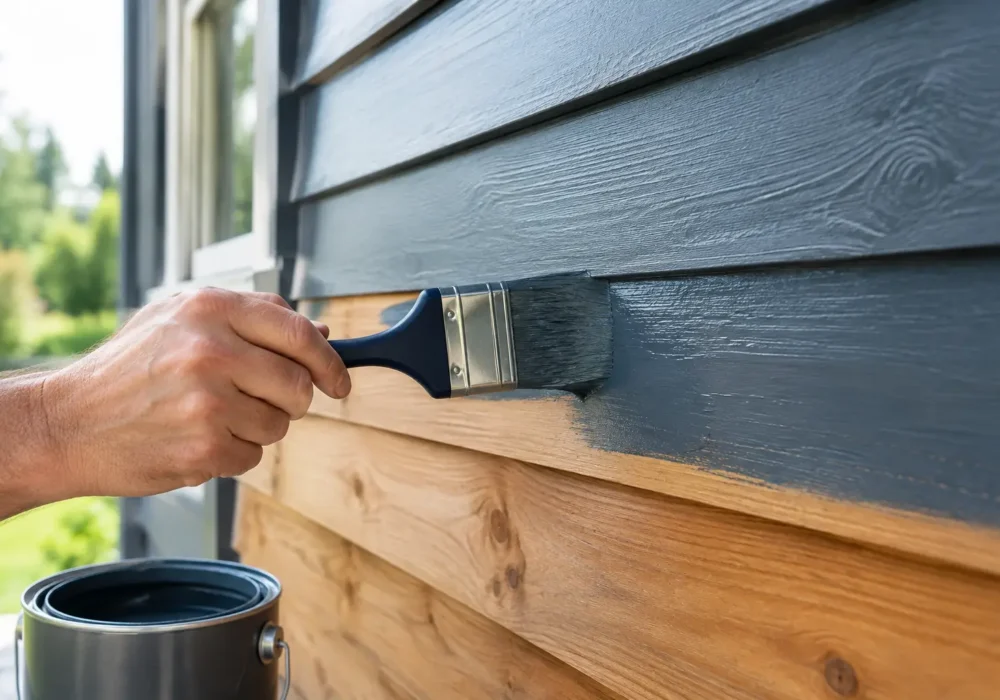
A peeling window sill, cracked weatherboard or soft deck edge is more than a paint problem. Once water gets into exterior timber and cannot dry properly, decay can take hold beneath the surface. So, does exterior paint prevent rot? Yes, a well-applied exterior paint system can greatly reduce the risk of timber rot – but only when the timber is sound, properly prepared and maintained over time.
Paint is a protective barrier, not a cure for damaged wood. If moisture is already getting in through failed joints, open end grain, cracks or bare timber, applying another coat over the top may make the house look better briefly while the underlying issue continues.
Does exterior paint prevent rot?
Exterior paint helps prevent rot by limiting how much rain, dew and moisture can soak into timber. On weatherboards, fascia boards, trims, eaves, doors and window frames, a continuous coating slows water absorption and gives the timber a better chance to dry between wet weather.
That protection matters across coastal and bayside areas such as Hobsons Bay, Geelong, the Bellarine and the Surf Coast. Salt air, driving rain, UV exposure and changing temperatures all put pressure on exterior coatings. Even in less exposed suburbs, sprinklers, poor drainage and shaded sides of a home can keep timber damp for too long.
However, paint does not make timber waterproof forever. Every paint film gradually weathers. Sun can make it chalky and brittle, while movement in timber can open small cracks around joins and fixings. Once that happens, water finds its way behind the coating. Regular inspection and timely maintenance are what turn a good paint job into long-term protection.
Paint prevents moisture entry, not existing decay
Timber rot is caused by fungi that need moisture, oxygen and suitable temperatures to grow. Paint can help manage one part of that equation by reducing moisture entry, but it cannot reverse fungal decay or strengthen timber that has already become soft.
A board may look mostly fine from a few steps back but feel spongy when gently pressed with a screwdriver. Other warning signs include flaking paint that returns soon after repainting, dark staining, split timber, swollen joints, loose fixings and soft spots around windows, doors, gutters and downpipes.
Where decay is localised, the affected section can often be repaired or replaced before painting. Where it is extensive, particularly around structural areas, a qualified carpenter should assess it first. Painting over rotten timber is not a lasting fix, and it can make the eventual repair more involved.
The preparation work that makes paint protective
The quality of preparation determines whether exterior paint protects timber or simply covers it. A professional repaint begins with a close look at the condition of the surfaces, not just the colour of the existing coating.
Washing removes dirt, mould, salt residue and chalky paint that can stop fresh coatings from bonding. Loose and peeling paint needs to be scraped and sanded back to a sound edge. Any exposed timber should be allowed to dry properly before it is primed, especially after wet weather or pressure washing.
Cracks, nail holes and small defects can then be filled where appropriate. Gaps around trims, boards and window frames should be sealed with a suitable flexible exterior gap sealant. These joints are common entry points for water, but the sealant must be applied to clean, dry surfaces and maintained as it ages.
Priming is equally important. Bare timber, repaired areas, stains and exposed end grain often need a quality primer or undercoat before top coats are applied. End grain deserves special attention because it can absorb water far more readily than the face of a board. This includes the lower edges of weatherboards, cut ends of trims and the bottoms of external doors.
Only after these steps should exterior top coats be applied at the correct spread rate. A paint system that is too thin, rushed onto damp timber or applied over unstable old paint will not provide the protection the product is designed to deliver.
Why gaps and drainage still matter
Even the best paint cannot overcome a building detail that constantly directs water onto timber. Overflowing gutters, leaking downpipes, blocked valleys and sprinklers hitting the same wall each day can shorten the life of any coating.
Look for vegetation pressed against weatherboards, soil or mulch built up against timber, and deck boards that remain damp underneath. Improving drainage, clearing leaves from gutters and allowing airflow around the home are practical steps that work alongside painting. The aim is not just to keep water off the surface, but to let timber dry when it does get wet.
Which exterior surfaces need the closest attention?
Some areas wear faster because they receive more sun, rain or physical use. Window sills and lower window frames often hold water. Fascia boards can suffer when gutters overflow. North- and west-facing walls may fade and crack under strong sun, while south-facing walls can stay damp and develop mould.
External doors are another common trouble spot. Their bottom edges, panels and joints can take in water when paint breaks down, particularly if the door is exposed to rain. Decking and handrails need their own maintenance approach too. A deck coating or stain can reduce moisture uptake, but it must suit the timber and be refreshed before the surface becomes bare and weathered.
Heritage homes and older weatherboard properties may have multiple layers of ageing paint. Careful preparation is especially valuable here, as aggressive stripping or unsuitable products can damage details or create a finish that fails prematurely.
When should you repaint exterior timber?
Do not wait until large sheets of paint are peeling away. A repaint is easier to manage when the coating is starting to look dull, thin or lightly cracked, rather than after water has reached the timber.
A quick inspection once or twice a year is worthwhile, particularly after winter. Check around windows, doors, eaves, gutters, decks and areas shielded from sun. If you find a small crack or failed seal, dealing with it early may prevent a larger repair later.
The repainting cycle varies. Exposure, previous preparation, paint quality, building design and local conditions all play a part. A sheltered wall may hold up well for years, while a heavily exposed coastal elevation may need attention much sooner. There is no single timetable that suits every property.
A better result starts before the paint goes on
Exterior paint is one of the most effective ways to protect timber from the moisture that leads to rot, provided the surface is dry, sound and properly prepared. It is not a substitute for repairing decayed timber, fixing leaks or maintaining gutters and seals.
If you have noticed peeling paint, soft timber or recurring damp patches, it is worth having the exterior assessed before choosing colours or booking a repaint. Seaview Painting Services can identify preparation and minor carpentry repair needs as part of a practical plan for restoring and protecting your home’s exterior. A well-maintained paint finish keeps the property looking cared for, while helping the timber underneath stay dry for longer.