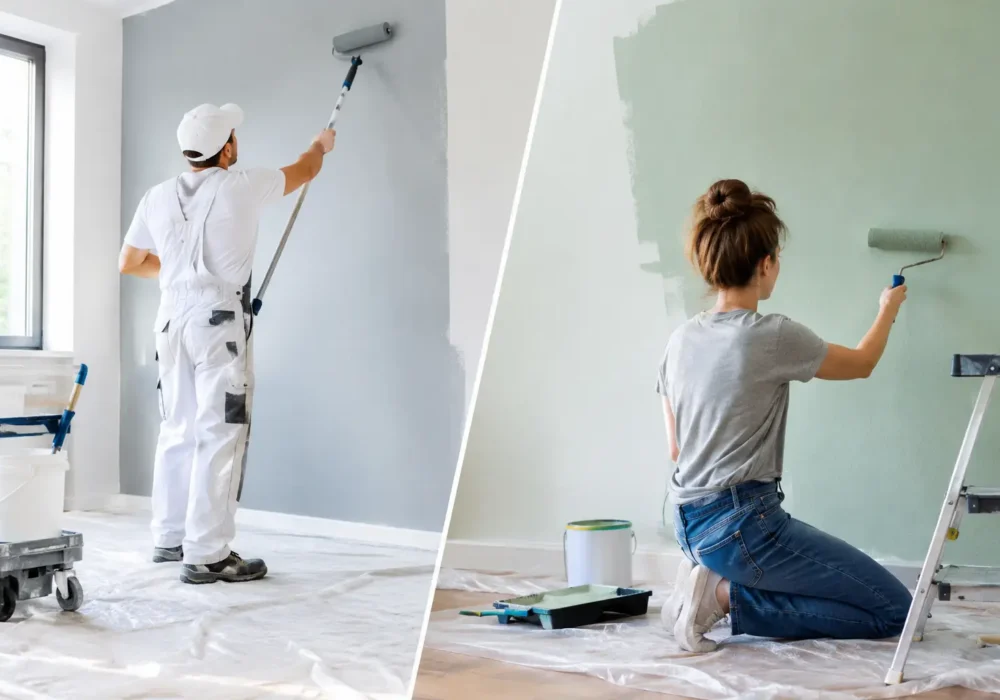
A fresh coat of paint can make a tired weatherboard home feel cared for, brighten a rental between tenants, or give a commercial space a more professional appearance. But before buying tins, rollers and drop sheets, it is worth looking honestly at professional painting versus DIY. The cheaper option on paper is not always the better value once preparation, time, safety and the lifespan of the finish are considered.
For a small, sound internal wall, DIY can be a sensible weekend job. For a full house repaint, a high exterior, damaged timber, detailed trims or a property that needs to keep trading, professional help often delivers a more reliable result with far less disruption.
Professional Painting Versus DIY: Start With the Scope
The right choice depends less on whether you can hold a brush and more on what the job actually requires. Painting a spare bedroom after patching a few small picture-hook holes is very different from repainting a weatherboard exterior that has peeling paint, open gaps and exposed timber.
DIY is often well suited to contained projects with easy access and limited preparation. A bedroom, study, single feature wall or small fence panel can be manageable if the surface is clean, dry and in good condition. There is also satisfaction in doing the work yourself, especially when you have time to take a steady approach.
The scope changes quickly when multiple rooms, ceilings, stairwells, doors, trims or exterior elevations are involved. These projects require more materials, more protection for floors and furnishings, and a clear sequence so that one part of the job does not hold up another. If you are coordinating a renovation, preparing a property for sale or managing a tenancy changeover, the time saved by a well-organised painting crew can matter as much as the finish itself.
Commercial work has its own considerations. Businesses, schools, places of worship and managed properties often need work completed around operating hours, with safe access, tidy work areas and minimal interruption. That is harder to achieve with an open-ended DIY project.
The Preparation Is Where Results Are Won or Lost
Most disappointing paintwork is not caused by the final coat. It begins underneath. Paint cannot reliably hide loose old coatings, chalky surfaces, water staining, gaps, rough repairs or deteriorated timber. In fact, a new coat can make these faults more noticeable.
Professional painters spend considerable time assessing and preparing surfaces before painting begins. Depending on the property, this may include pressure washing, scraping, sanding, filling, gap sealing, stain blocking, priming and minor carpentry repairs to damaged timber or trim. On exterior work, preparation also means checking that surfaces are dry and suitable for painting, rather than applying paint simply because the weather has cleared.
A homeowner can certainly complete preparation carefully, but it is often more labour-intensive than expected. Sanding creates fine dust, fillers need time to dry, and repairs can require several rounds before they blend with the surrounding surface. Skipping these steps might save a weekend now, but peeling paint, visible patches and early failure can bring the job back sooner than planned.
This is particularly relevant for weatherboards, eaves, fascia boards, decks and older homes. These surfaces are exposed to sun, rain and movement over time. They need the right preparation and coating system to stand up well in local conditions.
Paint Choice Is More Than Picking a Colour
Colour is the enjoyable part of a painting project, but product selection is just as important. Interior walls, ceilings, doors, trims, decks, masonry and weatherboards all have different needs. The wrong sheen can highlight surface imperfections, while the wrong primer may not properly seal stains or support the topcoat.
A professional painter can advise on suitable finishes for high-traffic hallways, moisture-prone bathrooms, sun-exposed exteriors and timber features. Colour matching is also useful when you are repainting only one area and want it to sit naturally with existing finishes.
For DIY work, always allow for test patches. Colours can look very different between a showroom, a south-facing room and an exterior wall in full afternoon sun. Check samples at different times of day before committing to several litres of paint.
Comparing the Real Cost, Not Just the Quote
DIY usually has a lower upfront cost because you are not paying for labour. However, materials extend beyond paint. Quality brushes and rollers, trays, extension poles, drop sheets, masking materials, fillers, sandpaper, primers, cleaning products and safety equipment all add up. For exterior work, access equipment may also be needed.
There is also the cost of waste. Buying too much paint, choosing an unsuitable product or making an application error can create unnecessary expense. A common example is applying a second coat before the first has dried properly, then having to correct an uneven or marked finish.
Professional painting costs more initially because it includes skilled labour, planning, preparation, tools and clean-up. In return, the work is generally completed more efficiently, with a consistent finish and a clear process from surface preparation through to the final tidy-up. For larger projects, that can be better value than spending weeks attempting the work in spare time and still needing repairs afterwards.
It is worth comparing like for like. A low quote that overlooks preparation, repairs or proper priming is not necessarily a bargain. Ask what surface preparation is included, how damaged areas will be handled, what coatings are proposed and how the site will be protected. Clear communication before work starts helps avoid unwelcome surprises.
Time, Disruption and Clean-Up Matter
Painting can take longer than people expect. The work itself includes moving furniture, protecting floors, cleaning surfaces, patching, sanding, priming, cutting in, applying coats, allowing for drying time, removing masking and cleaning up. A room that seems like a one-day job can stretch across a full weekend or longer when preparation is done properly.
DIY may suit you if you enjoy the process and can leave a room out of action for a few days. It can be less suitable when you have young children, pets, tenants, a busy household or a business that cannot afford extended disruption.
Professional painters work to an agreed schedule and bring the equipment needed to keep the job moving. A tidy team will protect the property, manage dust and paint splashes, keep the work area orderly and remove rubbish at completion. For occupied homes and commercial spaces, those details make a real difference.
Safety and Access Should Guide the Decision
High ladders, steep blocks, double-storey exteriors and elevated eaves are not just inconvenient. They carry genuine risk. So do older painted surfaces that may need specialist assessment before sanding or stripping, particularly where the history of previous coatings is unclear.
If access is awkward or safety equipment is required, it is usually wise to call a professional. The same applies to extensive water damage, recurring mould, major cracking or timber decay. Painting over these issues may improve appearance briefly, but it will not address the cause.
A capable painter can identify when a surface needs more than a coat of paint and coordinate minor repairs where appropriate. That practical judgement can prevent a cosmetic job from becoming an expensive repeat job.
When DIY Makes Sense and When to Call a Painter
DIY can be a good fit for a small internal project where you have sound walls, enough time, decent equipment and patience for careful preparation. It is also reasonable when a minor imperfection will not bother you and the job does not involve difficult access or specialist coatings.
Calling a professional is usually the smarter choice for full house repaints, exterior maintenance, weatherboard restoration, extensive trim work, decks, heritage details, commercial premises and any job with peeling paint or damaged surfaces. It is also worthwhile when you want a property ready by a particular date, whether for a move, sale, lease or reopening.
For homeowners and property managers across Wyndham, Hobsons Bay, Greater Geelong, the Bellarine Peninsula and the Surf Coast, Seaview Painting Services can provide a no-obligation quote that sets out the practical work required. An experienced assessment gives you a clearer basis for deciding whether to pick up the roller yourself or hand over the job.
A well-painted property should feel like a considered improvement, not a task that keeps returning to the weekend list. Choose the approach that gives your surfaces the preparation, protection and finish they need – then enjoy the result for years rather than months.