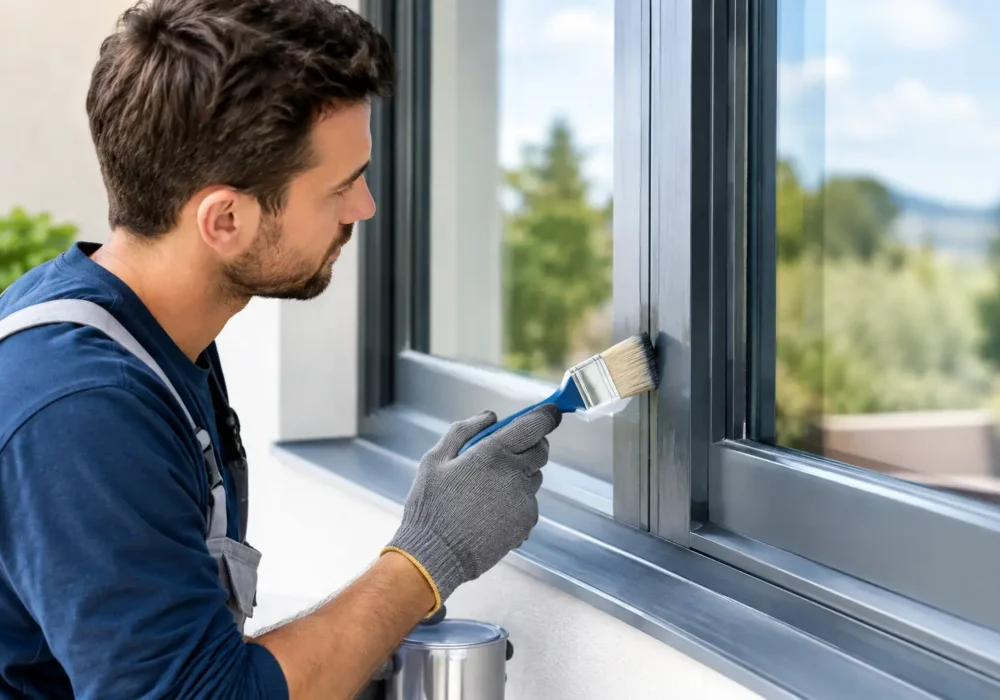
Faded bronze frames, dated mission brown and chalky powder coating can make an otherwise well-kept home look tired. The good news is that you can paint aluminium windows, provided the frames are properly assessed and prepared first. This is not a job where a quick sand and a coat of standard exterior paint will deliver a lasting result, especially around Wyndham, Hobsons Bay, Geelong and the coast where sun, salt air and changing weather all take their toll.
For many homeowners, repainting existing aluminium frames is a practical way to refresh a façade or bring windows into line with a renovation colour scheme. Done correctly, it can produce a clean, durable finish without the cost and disruption of replacing every window. The result depends on the condition of the aluminium, the preparation work and using a coating system designed to bond to metal.
When is it worth painting aluminium windows?
Painting is often worthwhile when the window frames are structurally sound but the existing finish is faded, scratched, peeling or simply the wrong colour. It can make a big difference to brick homes, rendered façades, weatherboard properties and commercial buildings where the windows remain serviceable but look dated.
A colour change can also help tie together new gutters, cladding, roofing, fencing or freshly painted exterior walls. Dark charcoal frames remain popular, while softer off-whites, warm greys and heritage-inspired colours can suit older homes. The best choice depends on the property’s style, how much direct sun the frames receive and whether you want the windows to stand out or blend into the exterior.
There are limits. If frames are badly corroded, dented, loose, leaking or no longer operating smoothly, painting alone will not solve the problem. White corrosion under an old coating, particularly near the coast, needs close inspection. In some cases, repairs or replacement will be the more sensible long-term option.
Why aluminium window preparation matters
Aluminium is smooth and non-porous, which makes it difficult for ordinary paint to grip. Many aluminium windows also have a powder-coated finish. Powder coating is durable, but once it begins to chalk or deteriorate, it must be carefully cleaned and sanded before repainting.
The preparation stage usually takes longer than the painting itself. A professional approach begins with washing away dirt, salt residue, grease, cobwebs and airborne pollutants. Frames near busy roads, kitchens, coastal areas or outdoor entertaining spaces can carry more contamination than they appear to at first glance.
After cleaning, loose or failing paint is removed and sound surfaces are sanded to create a fine profile for adhesion. Any oxidisation or corrosion is treated, and small gaps around frames, trims and adjoining building materials are checked. Where appropriate, those gaps can be sealed to help keep the finish neat and weather resistant.
Glass, brickwork, render, weatherboards and surrounding landscaping need careful masking and protection. This is particularly important on occupied homes. Overspray on glass can be difficult to remove, and paint on rubber seals, sliding tracks and hardware can affect the way windows open, close and drain.
Primers are not optional
The correct primer is what connects the existing aluminium surface to the topcoats. Depending on the frame condition and selected paint system, this may be an adhesion primer or a specialist metal primer suitable for aluminium and previously powder-coated surfaces.
Using a quality primer does not mean every surface can be coated without preparation. Primer must be applied to a clean, sound and suitably sanded substrate. Skipping those steps can lead to peeling, bubbling or flaking, sometimes within a single season.
Topcoats should be exterior-grade and suited to metal applications. A professional painter will also consider the desired sheen level. Satin or low-sheen finishes are often practical on frames because they look refined while being less likely than full gloss to highlight every small imperfection. The right product choice should always follow the manufacturer’s specification for the particular primer and surface.
How to paint aluminium windows for a lasting finish
The process starts with a close inspection. A painter checks the coating condition, frame joints, corrosion, glazing, seals, access and whether windows can be safely opened or removed from use during the work. This assessment helps identify whether repainting is appropriate and what preparation is required.
Once the frames are cleaned, sanded and masked, the primer is applied evenly. Tight corners, edges, mullions and sliding sections require patience. These are the areas most likely to be missed or left with a thin coating when work is rushed.
After the primer has dried for the required time, compatible topcoats are applied in thin, even coats. Two coats are commonly needed for colour depth, coverage and durability, although the exact system depends on the product and existing frame colour. Dark colours over pale frames, for example, may need particular care to achieve a consistent finish.
Brushes and small rollers can work well for detailed frame sections, while spraying may suit larger fixed panels or commercial projects where access, containment and surrounding protection have been properly managed. Spraying can provide a smooth finish, but it is not automatically the right choice. On a home with established gardens, nearby cars, open neighbours’ windows or extensive glazing, the setup and masking requirements are significant.
Drying and curing are different things. A frame may feel dry within hours, but the coating can take longer to fully harden. Windows should be handled carefully during that period, and cleaning should be delayed until the paint system has cured as recommended.
Common problems with painted aluminium frames
Most paint failures trace back to one of a few avoidable issues: inadequate cleaning, insufficient sanding, an unsuitable primer, incompatible products or painting in poor weather. Painting onto chalky powder coating without removing the loose material is a common cause of adhesion problems.
Weather matters more than many people expect. Rain, heavy dew, strong wind, very cold conditions and excessive heat can all affect application and drying. A hot aluminium frame sitting in direct summer sun may be far warmer than the air temperature. Applying paint to an overheated surface can affect flow, adhesion and the final appearance.
Colour also deserves thought. Very dark colours absorb more heat, which can place extra stress on frames and coatings exposed to long periods of direct sun. That does not mean dark frames are off limits, but they should be selected with the property’s exposure and the coating manufacturer’s guidance in mind.
Painting tracks, weep holes, rubber seals or moving hardware can create operational issues. Good preparation includes protecting these working parts rather than coating over them. Window drainage paths need to remain clear so moisture can escape as intended.
Can aluminium window frames be painted in place?
In many cases, yes. Painting frames in place is usually the most practical option for occupied homes, rental properties and commercial premises. It avoids the cost of removal and refitting, while still allowing the windows to be refreshed with thorough masking and careful application.
However, access can change the scope of the job. Upper-storey windows, difficult side access, fixed screens, security shutters and windows close to fences or neighbouring properties all need to be considered. For commercial sites, work may also need to be scheduled around customers, staff, students or services operating from the building.
A clear plan before work starts makes a difference. Homeowners should know which windows will be temporarily unavailable, how areas will be protected and what cleaning or access is needed beforehand. This keeps disruption to a minimum and helps the job run efficiently.
Caring for newly painted window frames
Once fully cured, painted aluminium frames benefit from gentle, regular cleaning. A soft cloth, mild detergent and clean water are generally enough to remove dust, salt and grime. Avoid abrasive pads, harsh solvents and aggressive cleaning products that can dull or damage the coating.
Coastal properties may need more frequent washing because salt deposits can build up even when they are not obvious. Checking frames each year for chips, worn seals or early signs of corrosion allows small issues to be addressed before they become larger repairs.
For a finish that looks right from the street and holds up over time, the preparation should receive just as much attention as the colour. If your aluminium windows are sound but looking worn, a professional assessment can help you decide whether repainting is the right next step for your home or property.