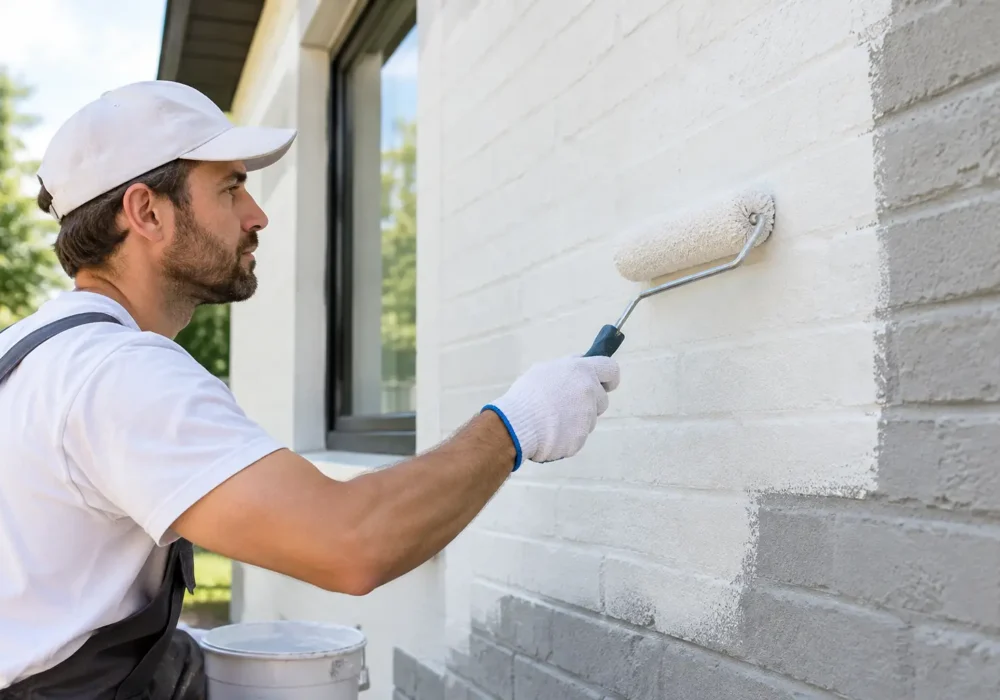
A fresh coat of masonry paint can make a tired exterior look cared for again, but it is not simply a matter of choosing a colour and getting started. Brick, render and concrete all have different needs, and the surface beneath the paint will determine how well the finish holds up through hot summers, rain, salt air and changing temperatures.
For homes and commercial properties across the western suburbs of Melbourne, Geelong and the coast, the best result starts with assessing the masonry properly. A quality coating can improve street appeal and help protect exterior surfaces, but only when moisture issues, cracks and surface contamination are dealt with first.
What masonry paint is designed to do
Masonry paint is an exterior coating made for porous mineral surfaces such as rendered walls, concrete, cement sheet and previously painted brickwork. Unlike standard exterior paint, it is formulated to cope with the movement, weather exposure and moisture conditions common to these materials.
A good masonry coating creates an even, durable finish while allowing the wall to breathe to an appropriate degree. This matters because masonry can absorb moisture. If water becomes trapped behind a paint film, the result may be bubbling, peeling, staining or sections of coating lifting away from the wall.
The right product depends on the substrate and its condition. A sound, previously painted rendered wall may need cleaning, minor repairs, spot priming and two fresh top coats. New render needs adequate curing time before painting, while bare concrete may require a purpose-made primer to promote adhesion and manage porosity.
Face brick is a separate consideration. Many homeowners like the look of painted brick, particularly when updating a dated façade, but paint is a long-term commitment. Once brick has been coated, it will need ongoing maintenance and repainting. It is also essential to make sure there is no rising damp, failed pointing or moisture entering through cracks before paint is applied.
Choosing masonry paint for your property
Colour is often the first decision people make, but sheen level, permeability and suitability for the existing surface are just as important. Most exterior masonry finishes are low sheen or matt because they provide a clean, modern appearance and help disguise minor variations in the wall. Very glossy finishes can draw attention to patching, uneven render and surface flaws.
Lighter colours generally cope better with strong sun exposure because they absorb less heat. They can also help a home feel larger and fresher. Darker shades can look striking on contemporary façades, but they may show dust, salt residue and fading more readily in exposed locations. On larger rendered walls, it is wise to view sample colours outdoors at different times of day before committing.
The paint system should also suit the property’s surroundings. Homes near the Bellarine Peninsula or Surf Coast can be exposed to salt-laden air, while properties in Wyndham, Hobsons Bay and Greater Geelong may experience strong sun, wind-driven rain and temperature changes across the year. Quality exterior products and careful preparation are worth prioritising in these conditions.
For commercial buildings, schools and rental properties, durability and ease of future maintenance often matter as much as appearance. A practical colour scheme that handles everyday marks and can be touched up consistently may be a better choice than a fashionable shade that is difficult to match later.
Preparation makes masonry paint last
The condition of the wall matters more than the age of the paint tin. Even premium masonry paint will struggle if it is applied over chalky residue, mildew, loose coating or active cracks.
Preparation usually begins with a thorough wash. Pressure washing can be effective for removing dirt, cobwebs, flaky paint and surface grime, but it must be done at the right pressure. Excessive pressure can damage weak render, force water into cracks or disturb failed pointing. The wall then needs time to dry fully before repairs or painting begin.
Any loose or peeling paint should be scraped and sanded back to a firm edge. Powdery, chalky surfaces may need a suitable sealer or primer before top coats are applied. Areas affected by mould or algae need proper treatment, not just a coat of paint over the top. If the cause of dampness is left unresolved, the staining is likely to return.
Cracks also need a closer look. Fine, stable hairline cracks in render can often be filled with a flexible exterior filler or coating system. Wider cracks, recurring movement or cracking around windows and doors may point to a building or water-management issue. In those cases, painting should wait until the underlying problem has been assessed and repaired.
Gap sealing around windows, doors, penetrations and joins is another small detail with a big impact. Sound sealant helps prevent water finding its way behind painted surfaces, while also giving the finished work a cleaner, more complete appearance.
Priming is not always optional
Primer is often the step that separates a tidy short-term result from a lasting paint job. Bare render, repaired patches, exposed concrete and porous areas can absorb paint unevenly. A suitable primer helps create a consistent base, improves adhesion and reduces the risk of patchiness showing through the final coats.
Not every previously painted wall needs a full primer coat. If the existing coating is clean, sound and compatible, spot priming repaired areas may be enough. However, where the surface is weathered, chalky, stained or changing from an unknown old coating, a full prime can be the sensible approach.
Common masonry paint problems and what they mean
Peeling paint is often blamed on the product, but it is commonly caused by poor adhesion or trapped moisture. Water can enter through cracks, unsealed gaps, leaking gutters, failed flashings or rising damp. Repainting without fixing the entry point usually means the same issue will reappear.
Blistering can occur when paint is applied to a damp wall or when direct heat causes moisture or air beneath the coating to expand. Efflorescence, the white salty deposit sometimes seen on brick and render, is another sign that moisture is moving through the masonry. It needs to be brushed away and the moisture source investigated before coating.
Patchy colour can result from uneven absorption, insufficient coats or poor mixing between tins. This is particularly noticeable with deep colours and on large rendered elevations. Using the specified primer, applying enough paint at the correct spread rate and keeping a wet edge during application all help create a more even finish.
Mould and algae usually develop where walls stay damp or shaded. Painting over them may make the wall look better briefly, but it does not solve the issue. Cleaning, treating the growth and improving drainage, ventilation or sun exposure where possible will give the new coating a better chance of staying clean.
When to repaint exterior masonry
There is no fixed timetable for every property. A protected rendered wall may stay in good condition for many years, while a coastal façade or heavily weathered boundary wall may need attention sooner. The best time to repaint is before the coating fails extensively.
Look for fading, a chalky finish, hairline cracking, peeling edges, mildew that keeps returning or exposed patches where the underlying surface is visible. Early maintenance is generally less disruptive and more cost-effective than waiting until widespread repairs are required.
Timing the work around the weather is also important. Exterior painting needs dry surfaces and suitable temperatures for the product being used. A professional painter will plan the work around forecasts, allow for drying times and avoid rushing coats onto walls that are still damp from rain or washing.
A professional finish starts below the surface
Painting masonry well takes more than a roller and a colour chart. It involves understanding what the wall is made from, identifying moisture risks, repairing the surface properly and selecting a coating system that suits the building and its exposure.
At Seaview Painting Services, that preparation is treated as part of the job, not an add-on. Whether you are refreshing rendered walls, repainting a commercial façade or planning a full exterior repaint, a clear assessment before work begins helps avoid costly surprises and delivers a finish that looks right for years to come.
If your exterior is showing early signs of wear, arranging a no-obligation quote before the next wet season can give you a clear plan for repairs, preparation and the right masonry coating for your property.