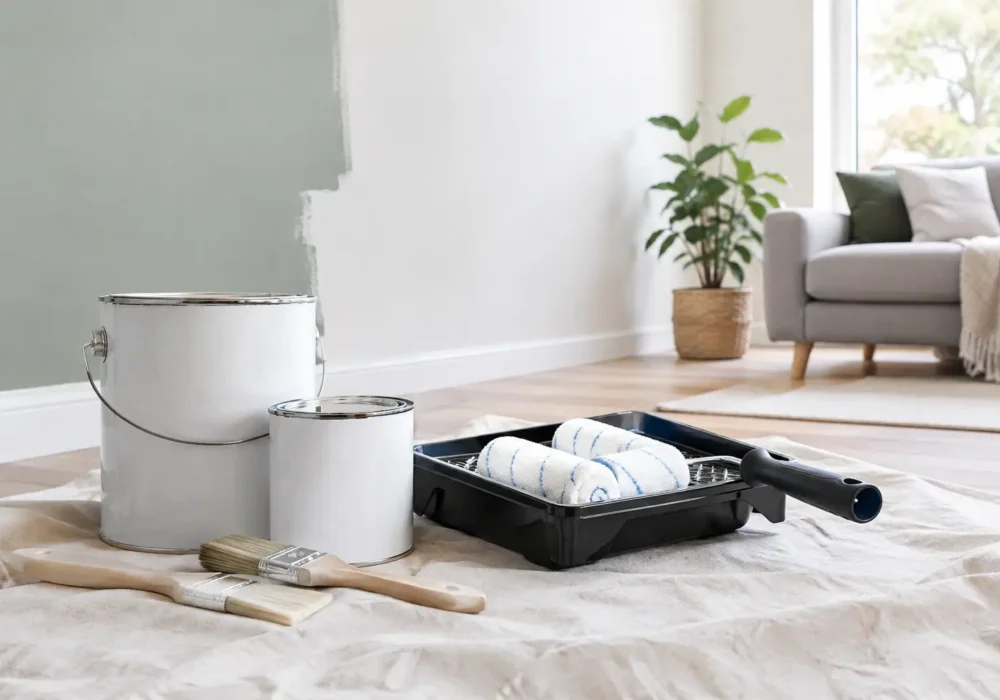
A rental property can look tired long before anything is structurally wrong. Scuffed hallways, marked bedroom walls and patchy touch-ups quickly affect how a home presents at inspections. The best paint for rental walls is not simply the cheapest tin on the shelf. It needs to stand up to regular cleaning, look good under changing light and allow practical repairs between tenancies.
For landlords and property managers, the right paint system protects the presentation of the property and makes maintenance more straightforward. For tenants repainting with approval, it helps ensure the finished room is easy to live with and easier to return to a neat condition later.
What makes the best paint for rental walls?
For most internal plaster walls, a premium water-based acrylic paint in a low-sheen finish is the most practical choice. It offers a good balance of durability, washability and an attractive finish that does not show every small imperfection in the wall.
Low sheen reflects some light, giving rooms a clean and modern appearance, but it is less glossy than semi-gloss paint. That matters in rental homes, where wall surfaces may have minor dents, old patching or uneven plasterwork. A higher sheen can draw attention to those flaws, particularly near windows or downlights.
A good-quality washable acrylic is worth the extra cost in high-use areas. It is generally more resistant to marks from hands, bags, furniture and everyday living, and it can be cleaned more gently without leaving a visible dull patch. Cheap paint may appear acceptable on the day, but it often needs more coats for coverage and can burnish or rub away when cleaned.
For a standard rental property, choose an interior paint designed for frequent cleaning rather than a basic ceiling or builder-grade wall paint. Ask for a product with stain resistance and scrub resistance, then use the same brand, colour and sheen consistently across connected spaces where possible.
Choose the finish room by room
There is no single finish that suits every wall in a rental property. The room, the level of traffic and the condition of the existing surface all affect the best choice.
Living areas, bedrooms and hallways
Low sheen is usually the preferred finish for lounge rooms, bedrooms, dining spaces and hallways. It looks refined without being delicate, and it handles the typical wear seen in a busy home. Hallways deserve particular attention because they collect the most handprints, scuffs and marks from moving furniture.
If the walls are older or have plenty of repairs, low sheen is generally more forgiving than a glossier finish. Proper preparation still matters. Filling dents, sanding smooth and spot-priming repairs will make a far bigger difference than trying to hide poor wall condition with the wrong sheen.
Kitchens, bathrooms and laundries
Kitchens and wet areas need a tougher coating. A quality kitchen and bathroom acrylic, often in low sheen, satin or semi-gloss depending on the surface, is a sensible option where moisture, grease and regular wiping are expected.
Paint alone will not fix ventilation problems or active moisture damage. Before repainting, check for mould, leaking plumbing, failed sealant and peeling coatings. The source of the problem needs to be resolved, then affected surfaces cleaned, treated and primed correctly. Painting over moisture damage may make the room look better briefly, but the issue will return.
Doors, trims and skirting boards
Doors, architraves and skirting boards take more knocks than walls, so they benefit from a harder-wearing finish. Water-based enamel is a popular modern choice because it dries faster, has lower odour than traditional oil-based enamel and provides a durable finish when applied over properly prepared surfaces.
A satin or semi-gloss sheen is common for trims. It is easier to wipe clean and gives a crisp contrast against low-sheen walls. Keep in mind that glossy trim paint highlights rough timber, gaps and old brush marks, so sanding, filling and caulking are essential.
Ceilings
Use a dedicated flat ceiling paint for ceilings. Its very low reflectivity helps conceal minor surface variation and avoids the distracting glare that a wall paint can create overhead. Ceiling paint is not a substitute for washable wall paint, but it is the right product for its specific job.
Colour choices that make rental maintenance easier
Neutral does not have to mean cold white. Warm whites, soft greiges, pale stone tones and gentle off-whites work well in many Australian rental homes because they suit different furnishings, help rooms feel open and remain broadly appealing to future tenants.
Very dark feature walls can look striking, but they may require extra coats to cover when a tenancy changes. Strong reds, deep blues and bright colours can also make touch-ups more noticeable. If a feature wall is part of the property’s look, record the exact colour name, brand, finish and formula for future maintenance.
The safest approach is to select one main wall colour for most of the home and use it consistently. This reduces the chance of mismatched touch-ups and means a small repair does not become a full-room repaint. Colour matching can help, but it is never perfect when the original paint has faded, been cleaned repeatedly or come from a different batch.
Preparation is where a rental repaint succeeds or fails
Even the best paint will struggle on dirty, chalky or damaged walls. Rental walls can carry residue from cooking, furniture contact, adhesive hooks, smoke, cleaning products and general wear. A professional result starts with washing the surface, not opening a paint tin.
Walls should be cleaned to remove grime, then allowed to dry. Loose or flaking paint needs to be scraped back and sanded. Nail holes, dents and small cracks should be filled, sanded smooth and spot-primed where required. Gaps around trim may need flexible sealant for a cleaner finished line.
Fresh plaster repairs, water stains and stained patches often need a suitable primer before top coats. Skipping this stage can lead to flashing, where repaired areas show through differently, or staining that bleeds back through the new paint. If there is mould or widespread peeling, it is worth getting the cause assessed before repainting.
For occupied rentals, preparation also keeps disruption down. Cover floors and furniture properly, remove plates and fittings where practical, and allow adequate drying time between coats. Rushing the process usually shows in the finish.
Plan ahead for touch-ups and future tenancies
A well-painted rental property is easier to maintain when there is a record of what was used. Keep the paint label or photograph it clearly, including the brand, product range, colour name, base, sheen level and date of application. Store a small sealed amount of paint in a cool, dry place if possible.
Touch-ups work best when they are small and completed with the same product and sheen. Applying a new patch with a roller that has a different nap, or using a paint with a slightly different sheen, may create a visible rectangle even if the colour is close. On older walls, repainting from corner to corner is often the cleaner solution.
It is also wise to photograph wall condition at the start and end of each tenancy. Clear records help property owners, managers and tenants discuss genuine wear fairly and identify damage that needs attention before it becomes more expensive to repair.
When a professional painter is the better option
A single clean wall may be a manageable job, but a rental repaint can become more involved when there are failed coatings, water staining, damaged plaster, timber repairs or a tight turnaround between tenants. These are the jobs where product selection and careful preparation protect the result.
Seaview Painting Services can assess the existing surfaces, complete necessary minor repairs and recommend a practical paint system suited to the property. For homes and investment properties across Wyndham, Hobsons Bay, Greater Geelong, the Bellarine Peninsula and Surf Coast, an owner-led approach helps keep communication clear from preparation through to clean-up.
The right paint choice should make the next inspection less stressful, not create more maintenance. Start with clean, sound walls, select a quality washable low-sheen acrylic for most living spaces, and keep accurate records for future touch-ups. That simple planning helps a rental property continue to feel cared for between every tenancy.