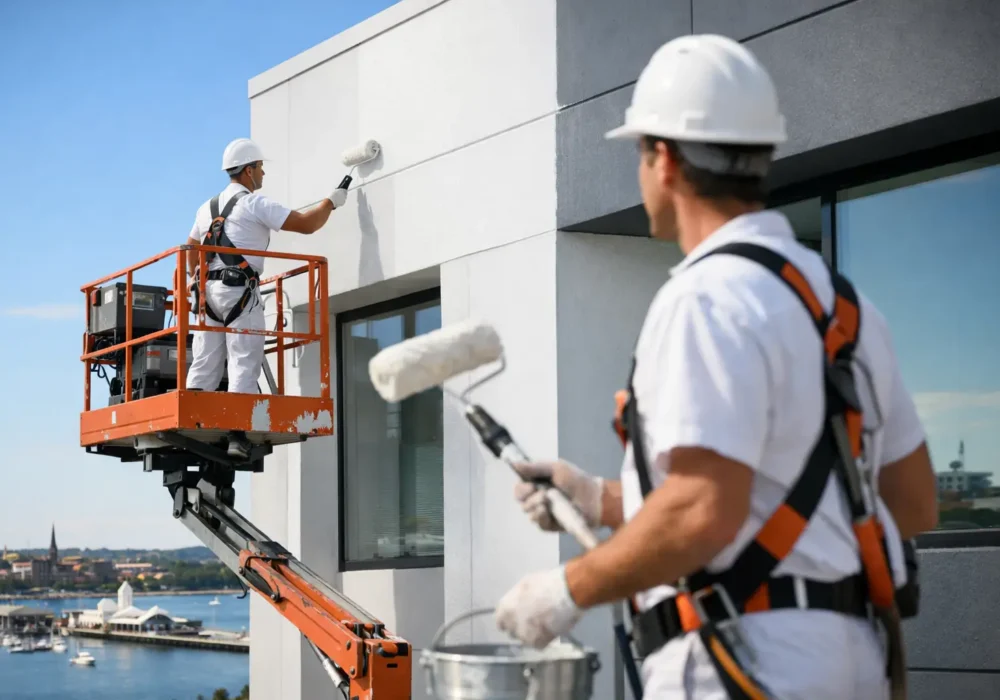
A commercial paint job is often judged before a customer reaches the front door. Faded cladding, peeling trim, marked walls or tired common areas can make an otherwise well-run property feel neglected. Professional commercial painting Geelong property owners can depend on is about more than a fresh colour. It is careful preparation, practical planning and a finish that continues to look right under daily use.
For businesses, schools, body corporates, places of worship and managed properties, painting needs to fit around real operations. The work must be organised, the site kept tidy and the result built to handle the conditions it faces. That is where an experienced local painter makes a meaningful difference.
What commercial painting needs to achieve
Commercial spaces have different pressures from a typical home. Entrances, hallways, stairwells, amenities and shared spaces receive steady foot traffic. Exterior surfaces are exposed to salt air, rain, sun and changing weather across Geelong, the Bellarine and Surf Coast. A coating that looks good on day one but fails early is not a cost-effective result.
The right scope starts by looking at the building, not simply choosing a paint colour. Existing coatings, surface damage, moisture issues, weather exposure and how each area is used all affect the preparation and product selection required. A warehouse office, a school corridor and a weatherboard shopfront may all need painting, but they do not need the same approach.
A professional finish should improve presentation while protecting the surfaces underneath. It should also be planned around the people using the property, whether that means working in stages, arranging access around trading hours or keeping disruption to a minimum.
Commercial painting Geelong businesses can plan around
A clear plan is one of the most valuable parts of a commercial painting project. Before work begins, the painter should understand which areas need attention, what access is available and when the work can be completed with the least interruption to staff, customers, students or tenants.
For an operating business, some work may be best completed before opening, after hours or across quieter periods. For schools and education facilities, holiday breaks can provide an ideal window for larger internal or external works. Property managers may need painting coordinated between tenancies, maintenance visits or other trades. There is no one schedule that suits every property, so straightforward communication matters from the first inspection.
It also helps to separate urgent maintenance from future improvements. Peeling exterior timber, exposed patches or water-affected areas should be addressed promptly to prevent further deterioration. A reception refresh or colour update may be able to be staged later. Discussing these priorities early allows a quote to reflect what the property genuinely needs, rather than treating every surface as identical.
Preparation is where the finish begins
Paint cannot hide poor surface condition for long. In fact, painting over loose coatings, open gaps, cracked filler or damaged timber can make the problem more obvious once the new finish starts to fail. Thorough preparation is the foundation of durable commercial work.
Depending on the surface, preparation may include pressure washing, scraping loose paint, sanding rough edges, filling holes and cracks, sealing gaps, spot priming and applying suitable undercoats. Exterior weatherboards, fascia boards, doors and trims often need close attention because small failures can allow moisture into timber. Minor carpentry repairs to damaged timber or trim can also be completed before painting where needed.
Inside, preparation is just as important. Scuffs, dents, old fixings, stained areas and uneven repairs need to be dealt with before the top coats go on. Well-prepared walls and ceilings take paint more evenly, look cleaner in changing light and are easier to maintain over time.
Paint problems should be investigated, not covered
Blistering, flaking, mould marks and recurring stains are signs to investigate. The cause may be moisture, poor adhesion from an earlier coating, inadequate preparation or a ventilation issue. Simply applying another coat may provide a short-term cosmetic improvement, but it will not always resolve the underlying issue.
A practical painter will assess the condition of the surface and explain the work required before recommending a coating system. This helps owners make informed decisions, particularly on older buildings, heritage properties and exteriors exposed to harsh weather.
Choosing colours and finishes for commercial spaces
Colour affects how a business or shared property feels, but durability and maintenance should guide the decision too. Bright white walls can create a clean, open look in a reception area, yet may show marks quickly in a busy corridor. A slightly deeper neutral can be more forgiving while still looking professional.
For exteriors, colours need to work with the building style, signage and surrounding streetscape. They also need to suit the material being painted. Dark colours can create a striking result, though on some exposed surfaces they may absorb more heat. Lighter colours can reduce visible fading and work well on larger façades, but the right choice depends on the building, its orientation and the desired presentation.
Finish level matters as well. Low-sheen coatings are commonly suited to broad internal wall areas because they offer a neat appearance without highlighting every minor imperfection. Higher-sheen finishes may suit doors, trims and areas that need frequent wiping. A colour match can be useful when only part of a property is being repaired or refreshed, helping new work sit naturally with existing finishes.
Protecting the property while work is underway
Good commercial painting is not just about the painted surface. It is also about how the site is treated from start to finish. Floors, furniture, fixtures, landscaping and nearby surfaces should be protected. Work areas should be kept orderly, with equipment placed safely and rubbish removed as the job progresses.
This is particularly important in shared buildings and active workplaces. Clear access routes, clean work zones and respectful coordination help keep the property functioning while work is completed. When a job involves several rooms or large external areas, completing the work in practical stages can reduce inconvenience and make it easier for managers to keep occupants informed.
At Seaview Painting Services, owner-led work means Jason remains closely involved in the details, from assessing the surfaces through to leaving the site clean at completion. That hands-on approach is valuable on commercial projects where clear communication and accountability matter.
When to repaint rather than keep patching
Touch-ups are useful for isolated damage, but there comes a point when ongoing patches cost more in time and appearance than a planned repaint. If multiple areas are peeling, colours no longer match, exterior timber is repeatedly exposed or common areas look uneven after several repairs, a broader painting program is often the better option.
A full repaint does not always need to happen all at once. Larger properties can be staged by building, floor, façade or room group. This spreads the work in a way that is easier to manage while still creating a consistent result over time.
Regular maintenance also helps extend the life of exterior coatings. Washing away built-up dirt, salt residue and mould, checking high-exposure areas and dealing with small paint failures early can prevent larger repairs later. For commercial property owners, this is a sensible way to protect both presentation and building materials.
A better starting point for your next project
Before requesting a quote, take note of the areas that concern you most: peeling paint, damaged timber, difficult access, rooms that need to stay operational or dates that affect your schedule. Sharing these details at the outset helps shape a practical scope and avoids surprises once work begins.
A well-planned paint job gives a property more than a cleaner appearance. It shows customers, tenants, staff and visitors that the space is cared for. Start with an on-site assessment, ask how preparation and scheduling will be handled, and choose a painter who will take responsibility for the details that make the finish last.