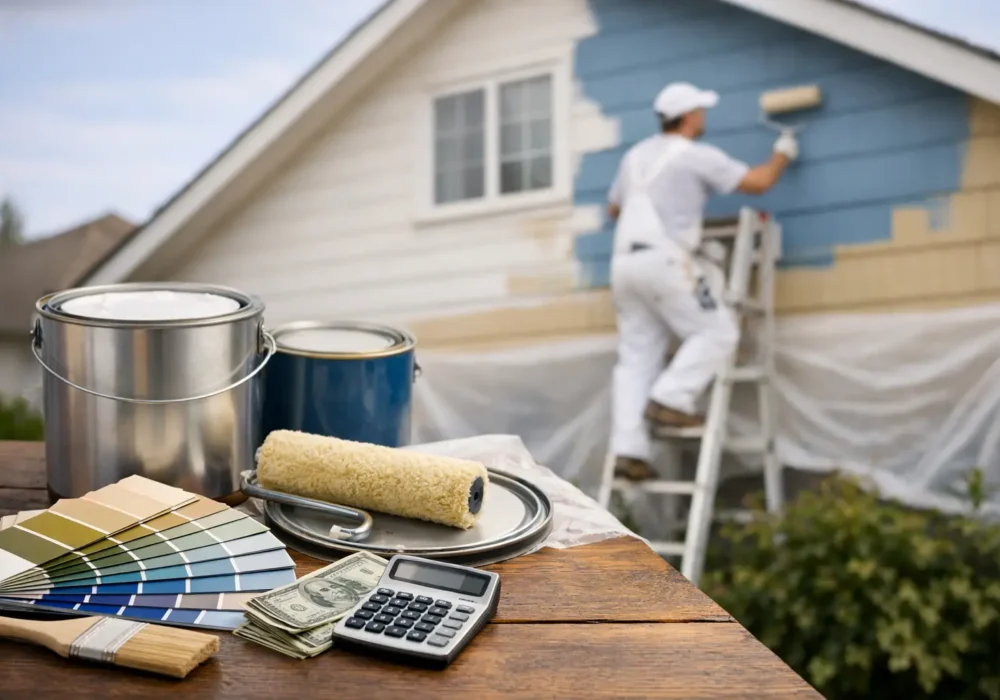
A fresh repaint can make a weathered weatherboard home look cared for again, sharpen a brick façade or give tired interior rooms a completely different feel. But house repaint cost is not a single fixed figure. Two homes of a similar size can require very different amounts of labour and materials once their surfaces, access and condition are properly assessed.
For homeowners across Wyndham, Hobsons Bay, Greater Geelong, the Bellarine and Surf Coast, the most useful starting point is not a price-per-square-metre promise. It is a detailed inspection and a clear scope of work. A professional quote should show what is being painted, what preparation is required and whether repairs, access equipment or specialist coatings are needed.
What makes up a house repaint cost?
Most painting quotes are built around three areas: labour, materials and preparation. Labour is usually the largest component because a durable finish depends on the work done before the final coat goes on. Washing, scraping, sanding, filling, gap sealing, spot priming and masking all take time, but skipping them can shorten the life of the paintwork.
Materials include undercoats, primers, topcoats, fillers, caulking, abrasives, protective coverings and other consumables. Paint quality matters here. A suitable exterior system can better handle UV exposure, rain and changing temperatures, while the right interior product needs to suit the room and the level of wear it receives. Cheaper paint may look like a saving at first, but coverage, durability and the number of coats required can change the value calculation.
The final part is the practical nature of the job. A single-storey home with clear access is generally more straightforward than a two-storey property with steep ground, high gables, narrow side access or areas above a verandah. Scaffolding, elevated work platforms and additional safety measures may be required to complete high work safely and properly.
Preparation is where repaint costs can change most
Paint does not hide every problem. In fact, a fresh coat can make uneven patches, failed caulking and damaged timber more obvious if the surface has not been prepared well. This is why an accurate quote needs to account for the property’s existing condition rather than simply its floor plan.
Exterior surfaces may have peeling paint, chalking, rust marks, mould, cracked putty, open joints or weather-damaged timber. Weatherboards can need individual boards repaired or replaced before painting. Fascias, window trims and eaves often require closer attention than large wall areas, as they have more edges, joins and detailed cutting-in.
Inside the home, the condition of walls and ceilings matters just as much. Small dents and nail holes are usually routine, while water staining, old wallpaper damage, smoke residue, extensive cracking or poor previous paintwork can require extra treatment. If a stain-blocking primer or additional filling and sanding is needed, it should be included in the scope rather than discovered halfway through the work.
A lower quote can be tempting, particularly when comparing a few options. The key question is whether each quote allows for the same preparation. If one painter has included washing, priming and repairs while another only lists two coats of paint, they are not like-for-like prices.
Minor repairs and painting work together
Minor carpentry repairs are often best handled before painting begins. Replacing a damaged section of trim, securing loose timber or addressing small areas of rot helps protect the finish and avoids painting over a problem that will soon reappear. Not every painter carries out repair work, so it is worth asking how these items will be identified, costed and managed.
On older homes and heritage-style properties, this part of the process can be especially important. Original timber details and decorative features take longer to prepare, but they also contribute greatly to the home’s character. The right approach is careful restoration, not rushing the job to fit a generic allowance.
Exterior and interior repainting are priced differently
Exterior repainting is exposed to the elements, so it usually involves more washing, surface treatment and protection of surrounding areas. The number of colours also affects the job. A straightforward scheme with one wall colour and one trim colour is quicker to apply than a detailed palette across weatherboards, eaves, gutters, doors, windows and feature areas.
Access has a strong influence outdoors too. A painter needs safe room to work around the house and may need to protect gardens, paving, decks, pools or neighbouring boundaries. Properties near the coast can also need coatings selected for harsher conditions, particularly where salt air and strong sun have affected previous paintwork.
Interior repainting is often less affected by height, but it brings its own variables. Furnished rooms require careful protection and moving or working around belongings. High ceilings, stairwells, detailed cornices, feature walls, timberwork and built-in cabinetry add time. Occupied homes also need considerate staging so daily life can continue with as little disruption as practical.
For landlords and property managers, timing can influence the quote as well. A vacant property can often be completed more efficiently than an occupied one, whereas work between tenancies may need to fit a tight handover schedule. Clear communication about access and deadlines helps prevent avoidable delays.
The number of coats and colours matters
A professional repaint normally involves a coating system, not simply applying paint until the surface looks covered. Bare patches, repairs and stained areas may need primer. Strong colour changes can require additional coats, especially when moving from a dark colour to a light one or refreshing a bright feature wall to a neutral shade.
The surface itself also affects coverage. Porous or rough timber, render and previously unpainted areas can absorb more product than a sound, smooth painted wall. A painter who has inspected the property can allow for this properly instead of relying on broad assumptions.
Colour selection can help keep a project focused. That does not mean choosing only safe neutrals, but it does mean understanding that each extra colour involves extra cutting-in, cleaning and set-up. If you are undecided, colour matching and practical advice before work starts can prevent changes once the job is underway.
How to compare repaint quotes properly
When you receive a quote, look beyond the final total. It should identify the areas included, the preparation steps, the paint system and the number of coats where relevant. It should also clarify whether minor repairs, pressure washing, access equipment and protection of gardens or furnishings are included or treated as separate items.
It is sensible to ask whether the quoted price is based on an on-site inspection. Photos can be helpful for an initial conversation, but they do not always reveal loose paint, unstable timber, difficult access or moisture issues. A site visit gives both the homeowner and painter a better basis for planning the job.
Be upfront about priorities as well. Some clients want a full exterior transformation, while others need to address the most exposed elevations first. A staged repaint can be a practical option when the budget needs to be spread over time, provided the most urgent maintenance work is not left too long.
When paying more can save money later
A quality repaint is maintenance as well as presentation. Thorough surface preparation and suitable coatings help protect timber, metal and masonry from further deterioration. This can reduce the likelihood of early peeling, moisture getting into exposed timber or having to repaint sooner than expected.
That does not mean every home needs the most expensive product or an extensive restoration program. The right scope depends on the property’s age, condition, location and plans. A home being prepared for sale may need a different approach from a long-term family home or a commercial property that needs durable, low-disruption maintenance.
Seaview Painting Services provides no-obligation quotes that assess the practical details before work begins, from surface preparation and minor repairs through to clean-up. With more than 25 years of experience, Jason takes a hands-on approach to helping property owners understand what their project requires.
A well-prepared quote gives you more than a house repaint cost. It gives you a clear plan for protecting your property, choosing finishes with confidence and getting work completed with care from the first wash-down to the final tidy-up.