
Loss of adhesion where many old coats of alkyd or oil-based paint receive a latex top coat. Possible causes: Use of water-based latex paint over more than three or four coats of old alkyd or oil-based paint may cause the...
Exterior issues
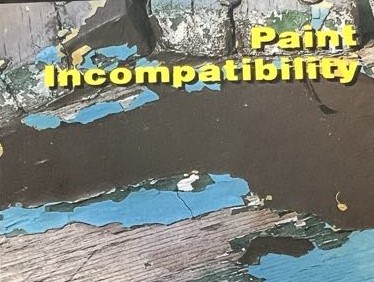
Paint incompatibility
Read More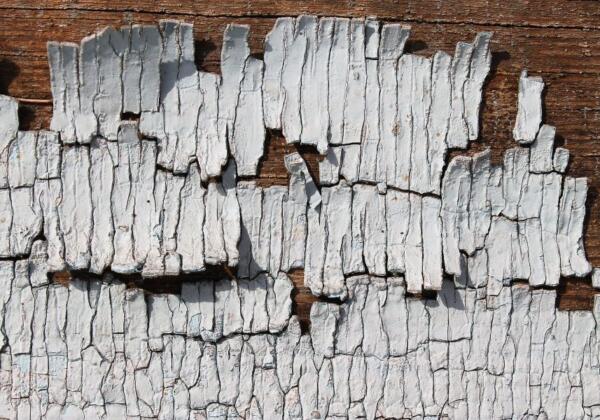
Alligatoring
Read MorePatterned cracking in the surface of the paint film resembling the regular scales of an alligator. Possible causes: Application of an extremely hard, rigid coating, like an alkyd enamel, over a more flexible coating, like a latex primer. Application of...
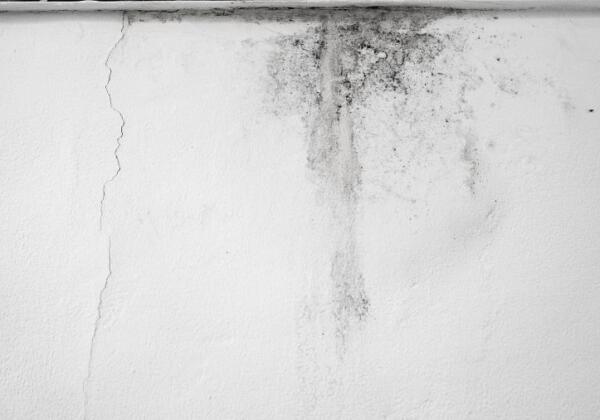
Mildew
Read MoreBlack, grey or brown areas on the surface of paint or caulk. Possible causes: Forms most often on areas that tend to be damp, and receive little or no direct sunlight (walls with a northerly exposure and the underside of...
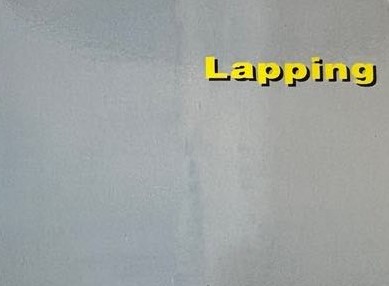
Lapping
Read MoreAppearance of a denser colour or higher gloss where wet and dry layers overlap during paint application. Possible causes: Failure to maintain a “wet edge” when applying paint. Solution: Maintain a wet edge when painting by applying paint toward the...
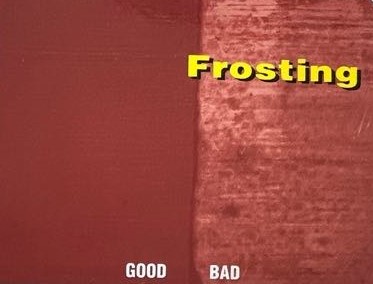
Frosting
Read MoreA white, salt-like substance on the paint surface. Frosting can occur on any paint colour, but it is less noticeable on white paint or light tints. On masonry, it can be mistaken for efflorescence (see Efflorescence/mottling). Possible causes: Forms mostly...
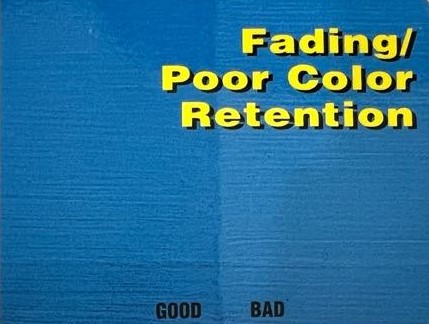
Fading/poor colour retention
Read MorePremature and/or excessive lightening of the paint colour, which often occurs on surfaces with sunny southern exposure. Fading/poor colour retention can also be a result of chalking of the coating. Possible causes: Use of an interior grade of paint for...
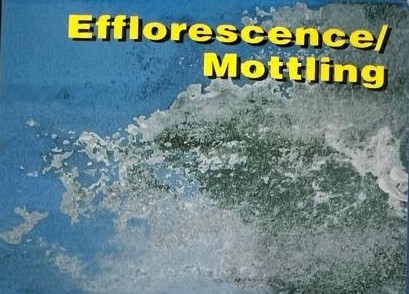
Efflorescence/mottling
Read MoreCrusty, white salt deposits, leached from mortar or masonry as water passes through it. Possible causes: Failure to adequately prepare surface by removing all previous efflorescence. Excess moisture escaping through the exterior masonry walls from the inside. Solution: If excess...
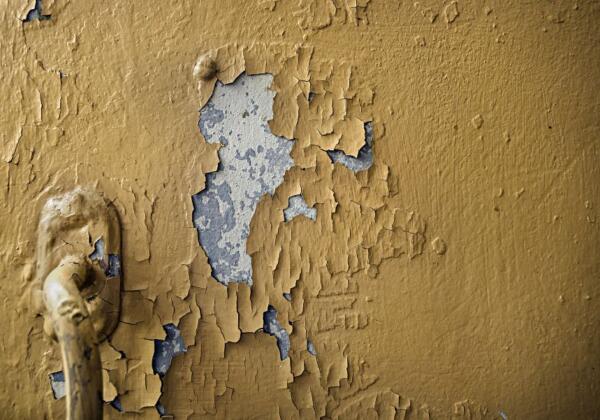
Cracking/flaking
Read MoreThe splitting of a dry paint film through at least one coat, which will lead to complete failure of the paint. Early on, the problem appears as hairline cracks; later, flaking of paint chips occurs. Possible causes: Use of a...
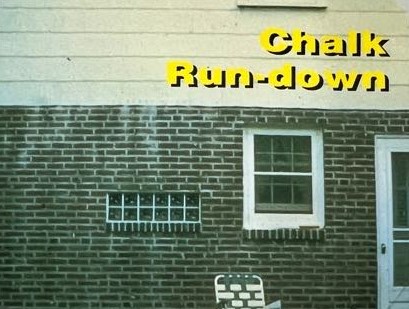
Chalk run-down
Read MoreThe washing down of chalk from an excessively eroding paint onto another area below (a brick foundation, for example), ruining its appearance (see Chalking). Possible causes: Use of a lower quality, highly pigmented paint. Use of an interior paint for...
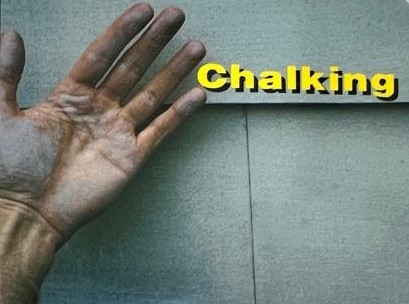
Chalking
Read MoreFormation of fine powder on the surface of the paint film during weathering, which can cause colour fading. Although some degree of chalking is a normal, desirable way for a paint film to wear, excessive film erosion can result in...