
A rough, crinkled paint surface occurring when paint forms a “skin.” Possible causes: Paint applied too thickly (more likely when using alkyd or oil-based paints). Painting a hot surface or in very hot weather. Exposure of uncured paint to rain,...
Exterior issues
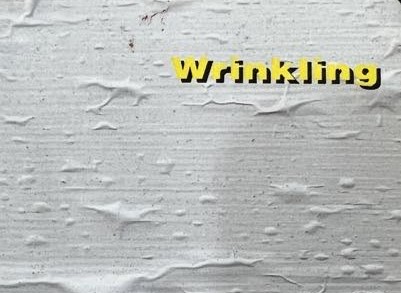
Wrinkling
Read More
Wax bleed
Read MoreStains that come from waxy substances in the reconstituted wood products used to make hardboard siding. When the substrate is painted, these staining substances bleed through the paint; they can even bleed through some ordinary primers, possibly causing dirt pickup,...
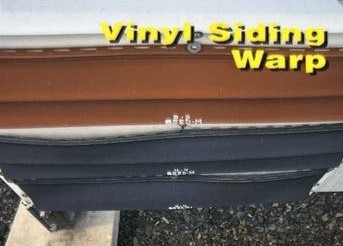
Vinyl siding warp
Read MoreWarping or buckling of vinyl siding panels that have been repainted. Possible causes: Most likely cause is that vinyl siding was repainted with a darker colour paint than the original colour. Dark paint tends to absorb the heat of the...

Tannin staining
Read MoreBrownish or tan discoloration on the paint surface due to migration of tannins from the substrate through the paint film. Typically occurs on “staining woods,’ such as redwood, cedar and mahogany, or over painted knots in certain other wood species....
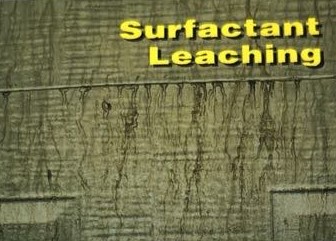
Surfactant leaching
Read MoreConcentration of water-soluble ingredients on latex paint, creating a blotchy, sometimes glossy appearance, often with a tan or brownish cast. More likely with tinted paints than with white or factory-coloured paints. Possible causes: Painting in cool, humid conditions or just...
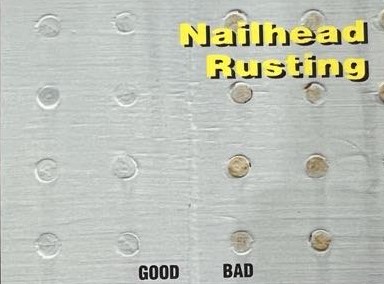
Nailhead rusting
Read MoreReddish-brown stains on the paint surface. Possible causes: Non-galvanized iron nails have begun to rust, causing bleed-through to the top coat. Non-galvanized iron nails have not been countersunk and filled over. Galvanized nailheads have begun to rust after sanding or...

Poor gloss retention
Read MoreDeterioration of the paint film, resulting in excessive or rapid loss of lustre of the top coat. Possible causes: Use of an interior paint outdoors. Use of a lower quality paint. Use of a gloss alkyd or oil-based paint in...
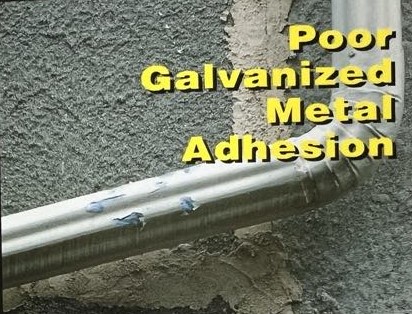
Poor galvanized metal adhesion
Read MorePaint that has lost its adhesion to a galvanized metal substrate. Possible causes: Improper surface preparation, such as inadequate rust removal. Failure to apply a primer before application of an oil-based or vinyl latex paint. Failure to sand baked-on enamel...
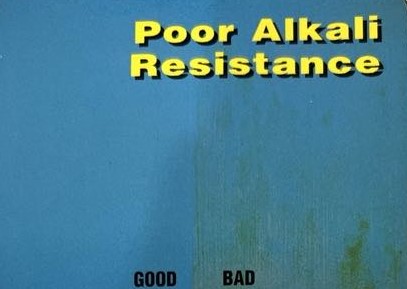
Poor alkali resistance
Read MoreColour loss and overall deterioration of paint film on fresh masonry. Possible causes: Oil-based paint or vinyl acrylic latex paint was applied to new masonry that has not cured for a full year. Fresh masonry is likely to contain lime,...
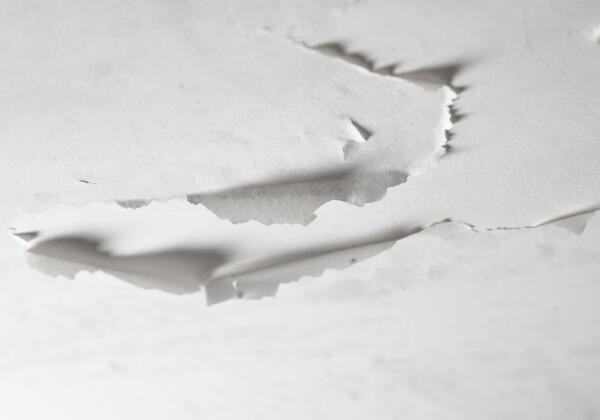
Peeling
Read MoreLoss of paint due to poor adhesion. Where there is a primer and top coat, or multiple coats of paint, peeling may involve some or all coats. Possible causes: Seepage of moisture through uncaulked joints, worn caulk or leaks in...