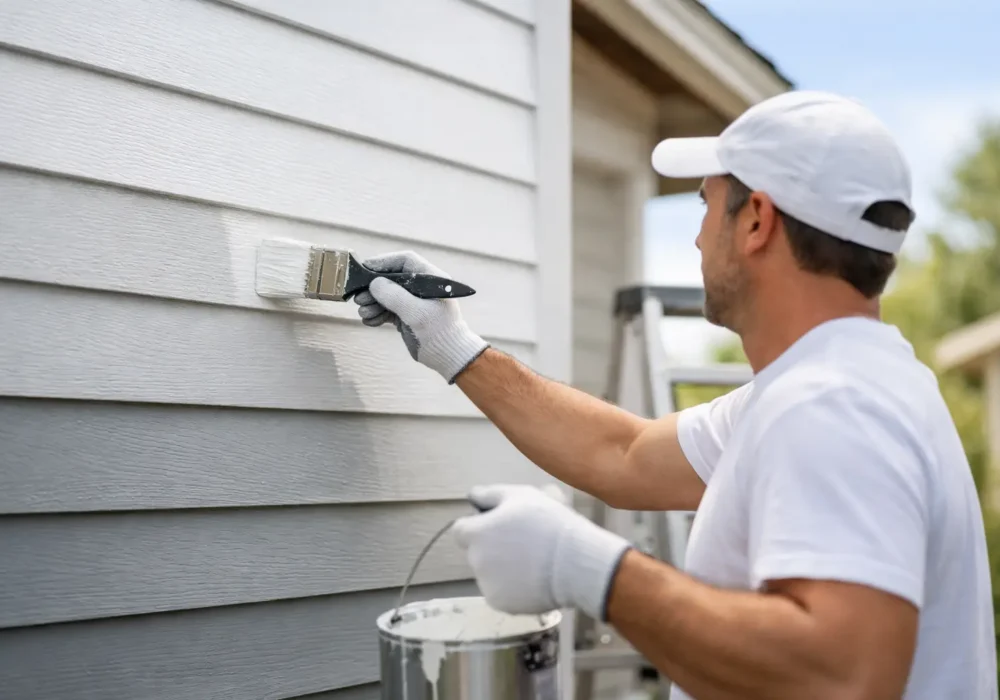
A weatherboard home can look beautifully crisp after a repaint, but the finish only lasts when the timber underneath has been properly assessed and prepared. Quality weatherboard painting services are not simply about applying a fresh coat of paint. They are about protecting your home from sun, rain, moisture and everyday wear while preserving the character that makes weatherboard homes so appealing.
Across Wyndham, Hobsons Bay, Greater Geelong, the Bellarine Peninsula and Surf Coast, weatherboards are exposed to changing conditions throughout the year. Strong summer UV, wet winter weather and salty coastal air can all affect exterior paint and timber. A professional repaint gives your home a lift straight away, but careful preparation is what helps it continue looking its best in the years ahead.
Why weatherboard painting needs careful preparation
Weatherboards expand and contract as temperatures and moisture levels change. Over time, this movement can create fine cracks in paint, open gaps around boards and trims, and allow water to reach unprotected timber. Once moisture gets behind failing paint, peeling, blistering and timber deterioration can follow.
That is why a proper inspection should come before paint selection. Loose or flaking coatings need to be removed, weathered areas sanded, gaps sealed and bare timber primed. Damaged boards, window trims, fascias or other small timber details may also need repair before painting begins. Painting over these issues can make a property look better briefly, but it will not solve the cause of the problem.
For older homes, the condition of the existing coating also matters. Some surfaces have been repainted many times, while others have sections of bare, dry timber beside areas where old paint is still sound. Each section may need a different level of preparation to create an even, durable base for the new finish.
What professional weatherboard painting services include
A well-managed exterior painting project follows a logical process. The exact scope depends on the age, condition and size of the home, but it should never be reduced to a quick wash and coat of paint.
Washing and surface assessment
Exterior surfaces collect dirt, cobwebs, mould, chalky residue and pollution. Washing removes contaminants that can stop paint adhering properly and gives the painter a clearer view of the timber’s condition. Particular attention is often needed around eaves, window sills, lower weatherboards and shaded sides of the home, where moisture and grime can build up.
Once the surface is clean and dry, each elevation can be assessed for cracking, failed sealant, timber movement and areas where the paint has started to break down. This is the point where small maintenance jobs can be identified before they become larger repairs.
Scraping, sanding and repairs
Loose paint must be scraped back to a stable edge. Sanding smooths rough areas and helps feather the transition between old and bare sections, so the completed paintwork does not show obvious ridges or patchy repairs.
Minor carpentry repairs are often an important part of weatherboard painting. Replacing a damaged section of trim, securing a loose board or addressing small areas of deteriorated timber can protect the painting work and improve the overall appearance. Not every board with a mark needs replacement, but soft, split or badly deteriorated timber should be dealt with before fresh paint is applied.
Filling, gap sealing and priming
Nail holes, small cracks and surface imperfections can be filled where appropriate. Gaps around windows, trims and joins are then sealed with suitable flexible products to help keep out moisture while allowing for normal movement in the building.
Primer is especially important on bare timber, repaired areas and surfaces where adhesion is a concern. It gives the topcoats a sound foundation and helps create a more consistent finish. Skipping this stage may save time at the start, but it can lead to uneven sheen, early paint failure or staining coming through later.
Applying the right paint system
The best paint system depends on the home, its location and the condition of the existing coating. A property near the coast may need closer attention to exposure and regular maintenance, while a sheltered home can have different requirements. Dark colours can also absorb more heat, which may increase movement in timber compared with lighter colours.
A professional painter will consider these practical details alongside the look you want to achieve. The goal is a finish that suits the style of the home, provides reliable protection and is realistic to maintain over time.
Choosing colours for a weatherboard home
Weatherboard homes offer plenty of flexibility with colour. A single exterior colour can create a clean, contemporary look, while a combination of wall, trim, door and feature colours can highlight the home’s original character. Heritage-style properties often suit traditional palettes, although there is room to refresh the overall feel with a well-chosen modern accent colour.
The surrounding streetscape is worth considering, particularly if you are preparing a property for sale or updating an investment home. A colour scheme should complement brickwork, roofing, paths, fencing and landscaping rather than compete with them. It also needs to work in natural light. Colours can appear noticeably different in bright sun, shade or on a south-facing wall.
Colour matching can be useful where only part of a property is being repainted, such as new timber repairs, an extension or selected exterior elevations. For a full repaint, testing sample colours on different areas of the house is often the most sensible way to make a final decision.
When is the right time to repaint?
There is no fixed schedule that suits every weatherboard home. Exposure, paint quality, previous preparation and the home’s maintenance history all make a difference. Rather than waiting for widespread peeling, look for early signs that the coating is no longer doing its job.
Common warning signs include fading, cracking, bubbling paint, open joints, exposed timber, mould growth or soft areas around windows and lower boards. A repaint planned at this stage is usually more straightforward than one delayed until water has caused extensive timber damage.
Weather also affects scheduling. Exterior painting needs suitable dry conditions and enough time between coats for the paint system to cure correctly. A reliable painter will plan around the forecast where possible, communicate any weather-related changes and avoid rushing work when conditions are not right.
The difference a tidy, owner-led service makes
Exterior painting can affect access around your home, outdoor furniture, gardens and daily routines. Clear communication and respectful site management make a genuine difference. You should know what work is being completed, when painters will be on site and whether any particular areas need to be kept clear.
At Seaview Painting Services, Jason takes ownership of the work from preparation through to clean-up. That means looking beyond the obvious paintwork, discussing minor repair needs clearly and completing the job with care for the property. For homeowners, landlords and property managers, that practical approach helps reduce surprises and keeps the project moving efficiently.
Keeping your new paintwork in good condition
A quality repaint is an investment in the home, and a little maintenance helps protect it. Keep gutters and downpipes in good working order so water does not run down exterior walls. Trim back plants that sit tightly against weatherboards, as they can trap moisture and mark the surface. Washing away dirt, salt residue and cobwebs from time to time also helps the coating stay cleaner.
It is wise to inspect the exterior annually, especially around window frames, eaves, decks and areas exposed to prevailing weather. Addressing a small crack or failed sealant joint early is generally far easier than repairing damaged timber later.
If your weatherboards are showing their age, an on-site assessment can clarify what is cosmetic, what needs repair and what preparation will give the paintwork the best chance of lasting. A free, no-obligation quote provides a practical starting point and helps you plan the work with confidence.