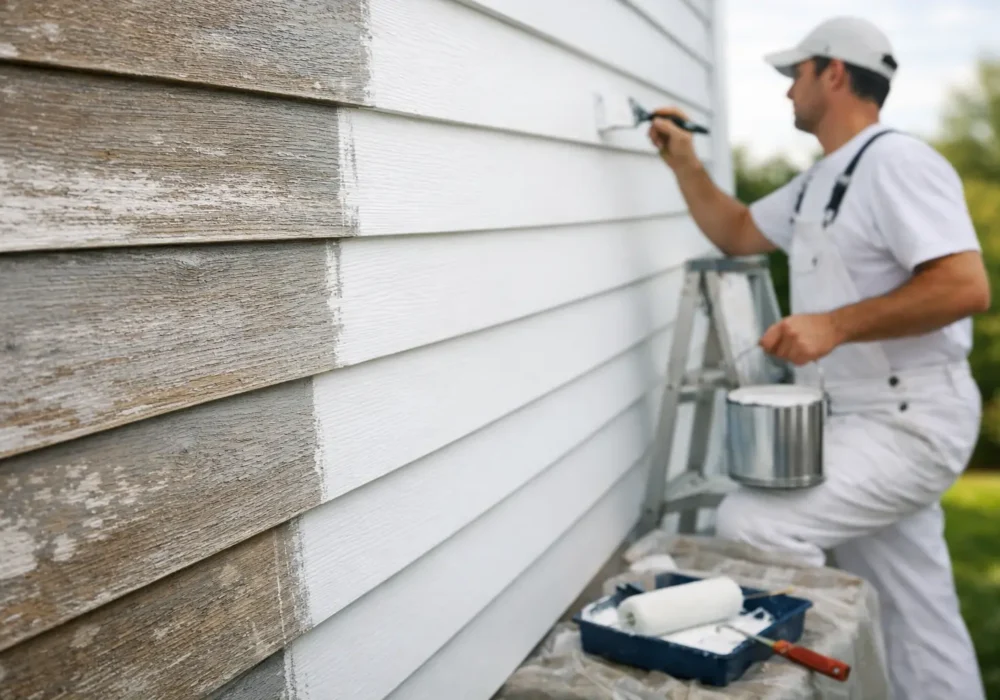
A weatherboard home can look beautifully cared for one year and suddenly tired the next, particularly after several wet winters, salty air or long stretches of harsh summer sun. So, how often should weatherboard be painted? For most homes across Melbourne’s west, Geelong, the Bellarine and Surf Coast, a quality exterior repaint is commonly needed every 7 to 10 years. That range is a guide, not a deadline. The condition of the timber, the previous paint job and the home’s exposure to weather will tell you far more than the calendar alone.
A timely repaint protects more than street appeal. Paint is the outer barrier that helps keep moisture out of timber weatherboards, trims and fascia. Once that barrier fails, small paint defects can turn into swelling boards, timber rot and more involved repair work.
How often should weatherboard be painted in Victoria?
A well-prepared and professionally painted weatherboard home will often hold its finish for 7 to 10 years. Homes in more protected locations may stretch beyond that, while exposed properties can need attention closer to every 5 to 7 years.
The difference usually comes down to exposure. A house near the coast at Altona, Williamstown, the Bellarine Peninsula or the Surf Coast deals with salt-laden air, wind and driving rain. A home in Werribee, Hoppers Crossing, Point Cook or Lara may be more affected by hot sun on an unshaded western wall. Both conditions place pressure on exterior coatings, just in different ways.
Weatherboards themselves also move slightly as temperatures and moisture levels change. Good paint systems are designed to handle this movement, but they cannot do their job properly if the timber was damp, dirty, unprimed or poorly repaired before painting.
The signs your weatherboards need repainting
Do not wait for every wall to look patchy before arranging an inspection. Early action is usually simpler and more cost-effective, especially where the timber beneath the paint is still sound.
Look closely at the sunny side of the house, around window frames, under eaves, along bottom weatherboards and near downpipes. These areas often show the first signs of wear. Fading is largely cosmetic, but chalking, cracking and peeling indicate that the coating is breaking down.
You may notice paint lifting at board edges, fine cracks in the surface, open gaps between boards and trims, or bare timber beginning to show through. Bubbling or blistering can point to trapped moisture, while soft timber, dark staining or a spongy feel may indicate water damage that should be repaired before painting.
Mould and mildew are another prompt to act. They do not always mean the paint has failed, but they should be cleaned and assessed. Repainting over contamination without properly washing and treating the surface can shorten the life of the new finish.
What affects the life of exterior weatherboard paint?
There is no single repainting schedule that suits every property. These factors have the greatest effect on how long the paint lasts.
Sun, rain and coastal conditions
Australian UV exposure slowly degrades paint, particularly on north- and west-facing elevations. Dark colours can absorb more heat, which may increase movement in timber and stress the coating over time. Heavy rain, poor drainage and coastal salt can add another layer of wear.
Homes with wide eaves, sensible landscaping and good drainage generally receive more protection. By contrast, boards regularly splashed by rain or garden watering may deteriorate well before the rest of the home.
Surface preparation and previous paintwork
Preparation is where a weatherboard repaint is won or lost. Loose paint needs to be removed, surfaces washed, damaged areas repaired, gaps sealed where appropriate, and bare timber primed before topcoats are applied.
A fresh coat applied over flaking paint may look neat at first, but it will only be as secure as the layer underneath. Likewise, painting over dirty, chalky surfaces can prevent proper adhesion. This is why a lower upfront price can sometimes lead to an earlier repaint.
Timber condition and maintenance
Old weatherboards can remain in good condition for decades when moisture is kept out and minor defects are dealt with early. Failed sealant around windows, overflowing gutters, leaking downpipes and poor ventilation can all direct water where it does not belong.
A yearly walk-around is worthwhile. Clear gutters, check flashing and downpipes, trim plants away from the walls, and keep soil or mulch below the bottom weatherboard. These small maintenance jobs help preserve both the paint and the timber behind it.
Paint quality and colour choice
Quality exterior paints offer better UV resistance, flexibility and protection than low-grade coatings. The correct primer and compatible topcoat system matter just as much as the brand of paint.
Colour also deserves consideration. A deep charcoal or black can look striking, but on exposed timber it may run hotter than a lighter colour. That does not make dark colours unsuitable, though it does mean careful product selection, sound preparation and realistic maintenance expectations are needed.
Repaint or touch up: which is the right approach?
Not every mark or chip means the entire house needs painting. A small area damaged by a knock, a failed section of sealant or an isolated patch of peeling paint may be repaired and touched up if the surrounding finish remains sound.
The challenge is colour matching. Exterior paint fades over time, even if it is not obvious until a new patch is applied. A touch-up can stand out against weathered paint, particularly on broad, sunny walls. In some cases, repainting one complete elevation is the better visual result.
If paint is failing across multiple sides of the house, or if there are repeated cracks and peeling areas, a full exterior repaint is generally the sensible option. It allows the whole property to be washed, repaired, primed and coated consistently, rather than chasing problems one board at a time.
Why preparation matters before repainting weatherboards
Painting weatherboards is not simply a matter of changing colour. The job should begin with a close assessment of the existing coating and timber condition. Areas affected by moisture, rot or movement need to be identified before paint goes on.
A proper process may include pressure washing or hand washing, scraping loose paint, sanding rough edges, filling minor imperfections, sealing gaps, replacing or repairing damaged timber, spot priming bare areas, and applying suitable exterior topcoats. The exact process changes from house to house.
Care is especially needed with older homes. Previous coatings may be thick or unstable, and heritage details, timber trims and older joinery need a measured approach. Rushing preparation can hide issues temporarily, but it rarely provides the durable finish property owners expect.
Plan your repaint before paint failure spreads
The best time to repaint is when the finish is clearly weathered but the timber remains largely protected. Waiting until boards are extensively bare, soft or damaged can increase the scope of repairs and delay the painting work.
If your home is approaching the 7-year mark, inspect it after winter and again after the hottest part of summer. Take a few photos of areas that concern you, then compare them over the following months. Changes in cracking, peeling or staining are useful clues that maintenance should be booked rather than postponed.
For property managers and landlords, regular exterior checks also help avoid surprise maintenance between tenancies. A well-maintained exterior presents the property properly, protects the asset and gives tenants confidence that issues are being looked after.
A professional painter can advise whether your weatherboards need a full repaint now, targeted repairs and touch-ups, or a maintenance plan for the next season. Seaview Painting Services provides thorough preparation and clear, practical advice for weatherboard homes across Melbourne’s west, Geelong and surrounding coastal areas. A timely inspection can be the difference between renewing a protective finish and repairing timber that was left exposed for too long.Not sure whether your weatherboards need repainting yet? Seaview Painting Services can inspect the condition of your existing paintwork and timber and explain whether you need a full repaint, targeted maintenance or can safely leave it longer.
We service weatherboard homes throughout Melbourne’s west, Geelong, Bellarine Peninsula and Surf Coast.